







Cultural Etiquette Around the World
The Cultural Etiquette Guide is a quick reference for the customs, manners, and social norms of 80 countries across six regions. Whether you are planning a vacation, a business trip, or just curious about how people behave abroad, it helps you greet, dine, dress, and tip the right way.
Every country profile is built from the same six categories — Greetings, Dining, Dress Code, Social Norms, Tipping, and Business — plus a quick Do's and Don'ts list and a 1-to-5 formality rating, so you can size up a culture at a glance and avoid common missteps.
How to Use the Guide
Browse the countries
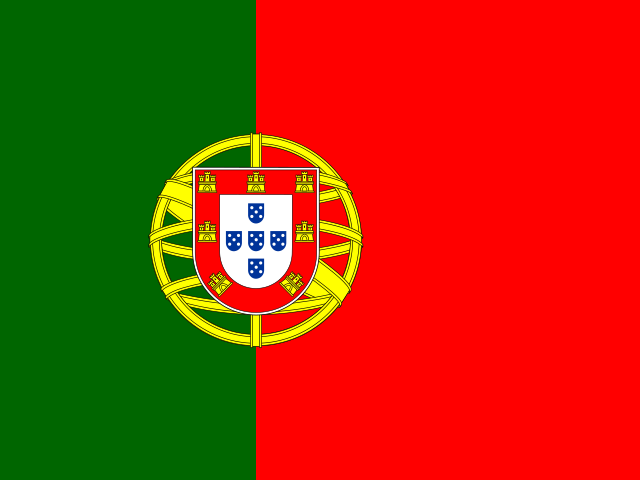
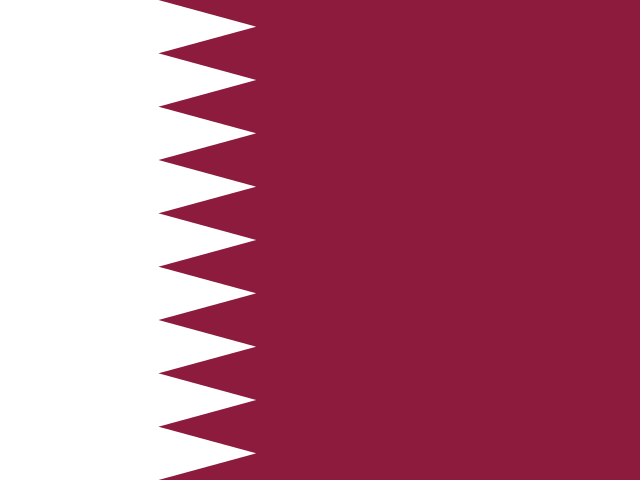
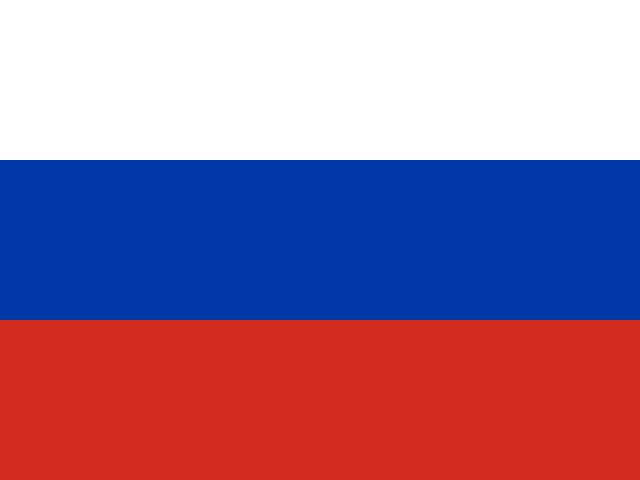
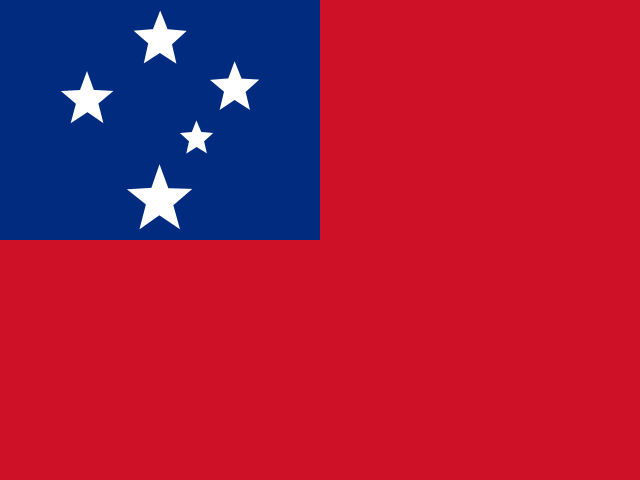
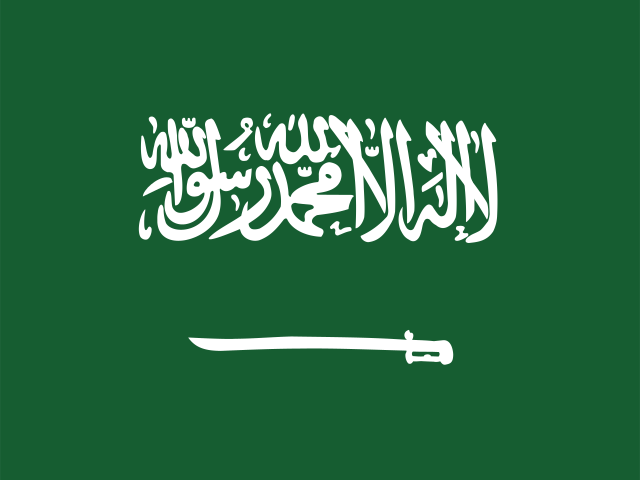
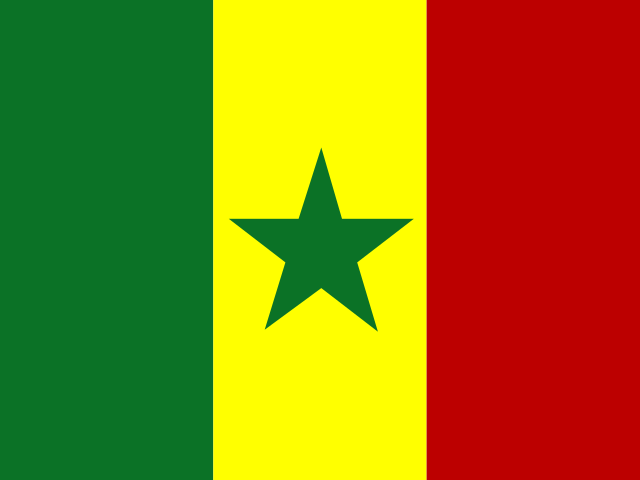
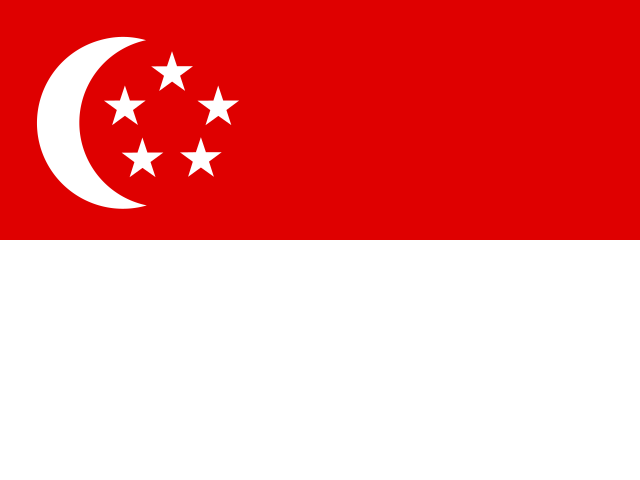
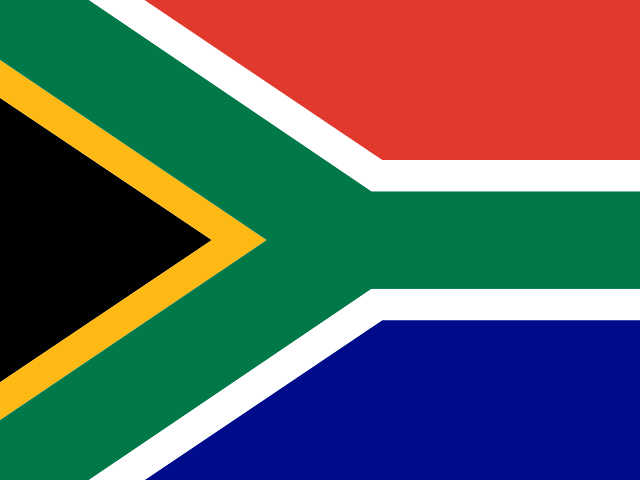
All 80 countries appear as cards in an alphabetical grid. Each card shows the flag, country name, region, formality level, and a few key cultural tags for quick reference.
Search and filter
Type a name in the search box to jump to a country — matching is accent-insensitive, so "turkiye" finds Turkey. Use the region chips (Asia, Europe, Americas, Africa, Oceania, Middle East) and the formality chips together to narrow the list.
Open the full profile
Click any card to open the detail panel. It shows a visual formality bar, the cultural tags, all six etiquette sections, and the Do's and Don'ts side by side.
Close and compare
Close the panel with the X button, by clicking outside it, or by pressing Escape. Then change a filter — for example, set "Very Formal" — to compare countries with similar customs.
Features
80 Countries, 6 Regions
Real-world etiquette for 80 countries across Asia, Europe, the Americas, Africa, Oceania, and the Middle East.
Six Etiquette Categories
Each profile is organized into Greetings, Dining, Dress Code, Social Norms, Tipping, and Business sections.
Formality Rating
A color-coded 1-to-5 scale, from Very Casual to Very Formal, shows how strict a culture's social customs are.
Do's and Don'ts
Four do's and four don'ts per country give practical advice for showing respect and avoiding offense.
Quick Highlight Tags
Three standout tags per country — like "Bow greeting" or "Cheek kiss culture" — capture the most notable customs at a glance.
Accent-Insensitive Search
Find a country by name even without diacritics — type "viet" for Vietnam or "turkiye" for Turkey.
Region & Formality Filters
Filter by continent and by formality level, and combine them with search for precise results.
Flags & Detail Panel
Country flags and region badges on every card, with a slide-in detail panel for the full etiquette breakdown.
Keyboard Accessible
Tab to a card, press Enter or Space to open it, and press Escape to close the detail panel.
Works Offline
Once the page loads, every country profile is available without an internet connection — nothing is fetched as you browse.
Frequently Asked Questions
How many countries does the guide cover?
The guide covers 80 countries across six regions: Asia (20), Europe (20), Americas (13), Middle East (12), Africa (10), and Oceania (5). Each one has its own full etiquette profile.
How do greetings differ between countries?
Greeting customs vary widely. Some cultures bow, others shake hands, and many greet with a kiss on the cheek — and the expected formality, eye contact, and use of titles differ too. The Greetings section of each country profile explains exactly what to do, so you can read it before you arrive.
Which countries find tipping rude?
In some cultures tipping is unnecessary or can even cause offense, while in others a set percentage is expected. The Tipping section of each profile spells out when, how much, and where a tip is appropriate — check it before you pay so you neither over-tip nor offend.
What does the formality level mean?
The formality rating runs from 1 (Very Casual) to 5 (Very Formal) and shows how strict and structured a country's social customs are. Level 1 means relaxed norms with little protocol, while level 5 means clear hierarchies and specific behavioral expectations. You can also filter the grid by formality to compare similar cultures.
What dining customs should travelers know?
Dining etiquette covers table manners, utensil and chopstick rules, communal eating, toasting, and food taboos — and the rules change from country to country. Each profile's Dining section lists the local conventions so you know what is polite at the table.
How should I dress to respect local culture?
The right clothing depends on the setting and the country, especially at religious sites and formal occasions. The Dress Code section of each profile describes what is appropriate for everyday wear, restaurants, places of worship, and business, so you can pack and dress with confidence.
Is the etiquette information accurate?
The information is based on widely recognized cultural norms and travel etiquette guidelines. That said, customs can vary within a country and evolve over time, so treat each profile as a respectful starting point — when in doubt, observe locals and follow their lead.
Can I use the guide offline?
Yes. All country data loads with the page, so once it has opened you can browse, search, and filter without an internet connection. No server requests are made while you use the guide.

















No comments yet. Be the first to comment!